
Introduction
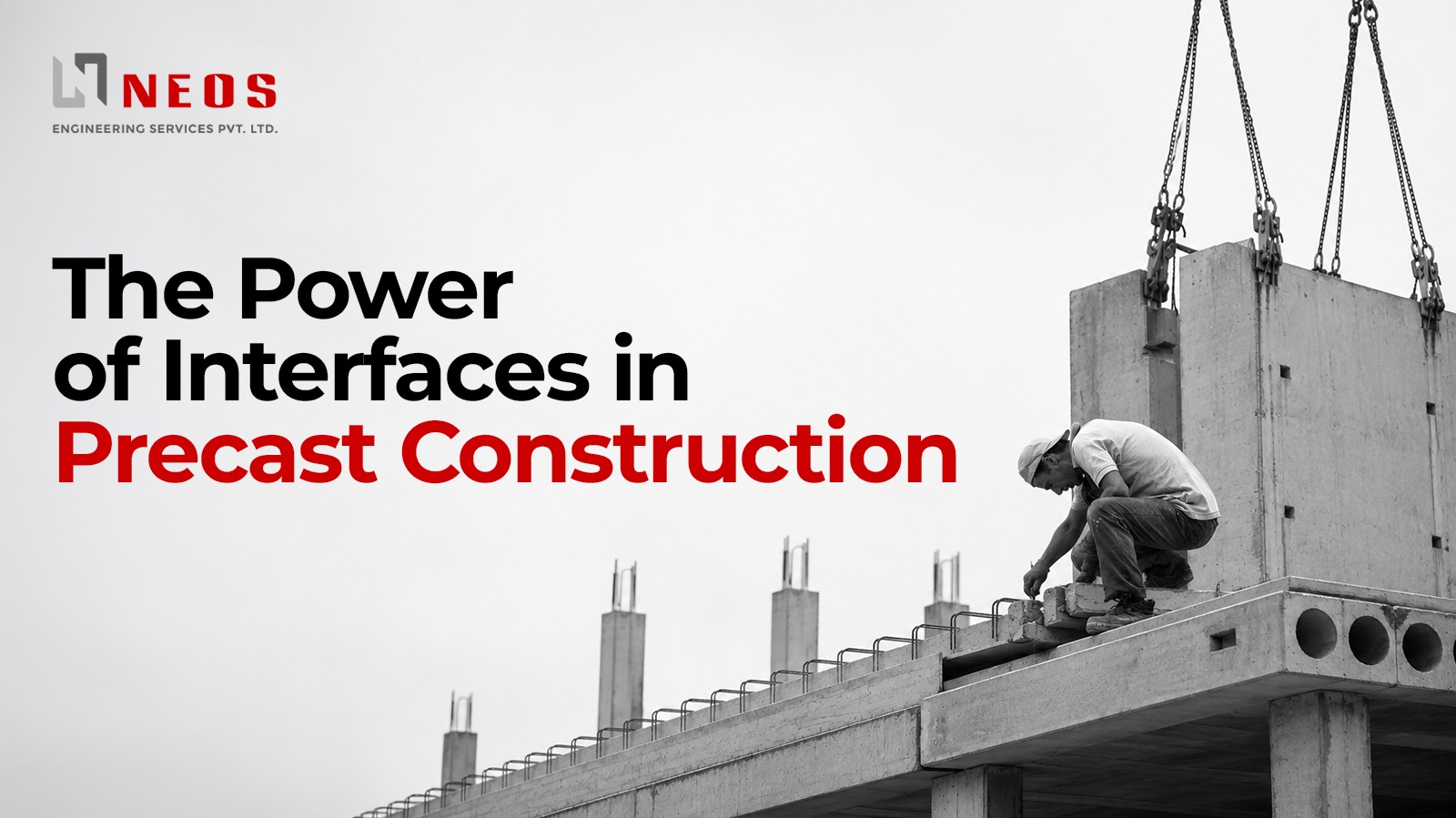
At first glance, a precast element appears simple. The element arrives at the construction site, is lifted into position, and becomes part of the structure within minutes.
However, behind this single element lies a network of interconnected systems. Structure, façade, embeds, anchors, and adjacent components all come together at one point. What appears to be a single component is actually where multiple disciplines intersect.
This is where the real complexity of precast construction begins.
Integrating Form, Function, and Systems
A precast element is primarily designed to carry structural loads. However, in real projects, its responsibilities extend far beyond structural performance.
The element must also align with the building façade. It may include openings for mechanical and electrical services. It must accommodate anchors, embedded plates, and connection hardware.
These requirements come from multiple stakeholders. Structural engineers, architects, façade consultants, and MEP designers all contribute to the design.
Bringing all these requirements together without conflict is one of the key challenges in precast construction.
Where Systems Intersect
The real complexity of precast detailing appears at the interfaces. These are the locations where different systems must interact and function together.
A single precast element may interact with:
• Structural load paths
• Façade alignment and finishes
• Mechanical and electrical openings
• Embedded plates and inserts
• Connection hardware and joints
Each of these systems has its own technical requirements. When they are combined within one element, the design becomes significantly more complex.
For example, a façade fixing point may occupy the same space as reinforcement. A mechanical opening may interfere with a connection plate. An embed plate may clash with a lifting anchor.
If these conflicts are not identified early, they often appear during manufacturing or installation, when changes become more difficult and expensive.
Why Interfaces Matter More Than the Element
It is common to focus on the element itself, including its size, shape, and structural capacity. However, the true performance of a precast element depends on how well it connects with surrounding systems.
An element can be structurally correct but still cause problems if its interfaces are poorly coordinated.
This is why interface coordination is critical. It ensures that every system has the space, alignment, and access it requires to function properly.
Key Areas That Require Coordination
Certain aspects of precast detailing require particular attention to ensure that all systems work together effectively.
Reinforcement and Embeds
Reinforcement provides structural strength, while embeds allow connections with other elements. Both must fit within the same space without conflict.
Openings for Services
Mechanical and electrical services often require openings in precast elements. These openings must be positioned carefully to avoid weakening the structure or interfering with other components.
Connections and Accessibility
Connections must not only be structurally strong but also practical to install. Poor accessibility can slow down on-site installation.
Alignment with Adjacent Elements
Each precast element must align accurately with neighbouring components. Even small misalignments can lead to gaps, stress concentrations, or installation difficulties.
What Happens When Interfaces Are Ignored
When interface coordination is not properly addressed, problems tend to appear during manufacturing or installation.
Some common issues include:
• Conflicts between reinforcement and embedded components
• Misalignment between structural elements and façade systems
• Insufficient space for installing connections
• Additional time required for unexpected site adjustments
• Increased project costs due to rework and modifications
These problems affect not only individual elements but also the overall progress of the project.
The Role of Detailing in Managing Complexity
Precast detailing plays a vital role in coordinating all these systems. It is the stage where potential conflicts are identified and resolved before fabrication begins.
Detailers review every aspect of the element and its interactions with other components. They adjust reinforcement layouts, reposition embeds, refine openings, and verify clearances.
This process requires more than technical drawing skills. It requires a clear understanding of how structural, architectural, and service systems work together.
Effective detailing simplifies complex interactions and ensures that elements perform as intended during manufacturing and installation.
How NEOS Approaches Interfaces
At NEOS, every precast element is treated as part of a larger system. We do not evaluate elements in isolation.
Our approach focuses on understanding how each element interacts with structure, façade systems, services, and adjacent components.
During the detailing stage, we carefully review these interactions to prevent conflicts later in the process.
Our work includes:
• Coordinating reinforcement with embeds and service openings
• Ensuring that connections are practical and accessible
• Aligning elements with façade systems and adjacent structures
• Reviewing installation requirements alongside design details
By addressing these factors early, we support smoother manufacturing and more efficient installation on site.
Conclusion
A precast element may appear simple, but it connects with many different systems. Its success depends not only on its design but also on how well it integrates with surrounding components.
Interfaces determine how effectively an element performs during production and installation.
Understanding this changes how we view precast construction. It is not just about designing individual elements. It is about ensuring that every system works together seamlessly.
At NEOS, we focus on these critical connections. When interfaces are carefully coordinated, projects move forward smoothly and with confidence.